
Design-Build vs. Traditional Remodeling: What's the Difference?

A beautiful home renovation begins long before the first wall comes down.
It begins with understanding how you live, what isn't working in your current space, and what you want your home to feel like when the project is complete.
For Indianapolis homeowners planning a kitchen remodel, whole-home renovation, or addition, one of the earliest decisions is also one of the most important: how will the project be designed and managed?
Some homeowners hire an interior designer and general contractor separately. Others choose a design-build company that brings design and construction together under one team.
Both approaches can create beautiful results. The difference lies in how the project comes together.
What Is Design-Build Remodeling?
Design-build is an approach to renovation in which design and construction are coordinated through one company.
Rather than developing a design independently and then hiring a contractor to execute it, homeowners work with a team that considers both the creative vision and the practical realities of construction from the beginning.
At Harmony Homes + Co., this collaborative approach allows our design and construction teams to work toward the same goal: creating a home that is as functional as it is beautiful.
From the initial layout and material selections to cabinetry, lighting, and construction details, decisions are considered as part of the larger project. It's an approach rooted in thoughtful planning, clear communication, and an understanding that even the smallest details can influence how a space looks and feels.
How Is Traditional Remodeling Different?
In a more traditional renovation process, homeowners may begin by hiring an architect or interior designer to develop their plans. Once those plans are complete, they hire a contractor to estimate and execute the construction work.
This arrangement can work well, particularly when the professionals involved collaborate closely. However, working with separate teams can sometimes create additional layers of communication.
A design decision may need to be reviewed by the contractor. A construction challenge may require revisions from the designer. Material selections may affect installation methods or project costs. Without consistent coordination, homeowners can find themselves navigating conversations between multiple professionals.
A design-build approach brings these conversations together earlier in the process.
The Advantages of Working With a Design-Build Team
Design Decisions Are Informed by Construction
Beautiful design should never exist independently of how a home is built. A dramatic kitchen island, custom cabinetry, or an open-concept living space might look exceptional in a rendering, but every design decision needs to work within the home's structural and practical requirements.
When design and construction professionals collaborate from the outset, they can identify potential challenges earlier. This helps homeowners make more informed decisions about layouts, materials, and the overall direction of their renovation.
A More Cohesive Design Vision
A successful renovation is about more than selecting beautiful finishes. It's about ensuring every element contributes to a cohesive home.
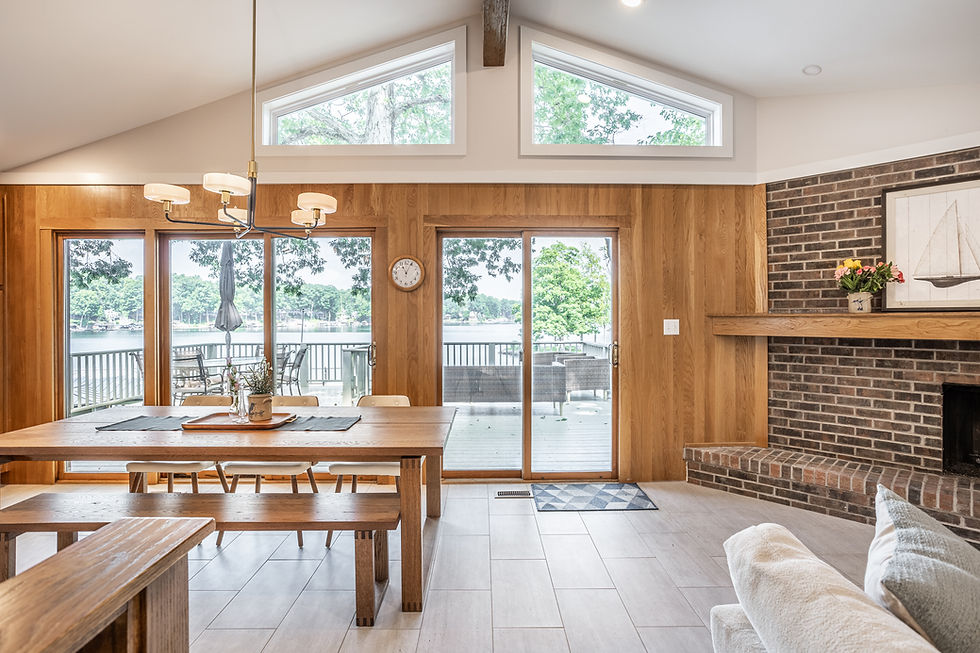
Consider a kitchen renovation that opens into the living and dining areas. The cabinetry, flooring, lighting, furnishings, and architectural details should feel connected, even when each space has its own personality.
With an integrated team, these decisions can be considered together rather than as separate projects. The result is a more intentional approach to the entire home.
More Thoughtful Budget Planning
One of the most frustrating experiences during a renovation is falling in love with a design only to discover that executing it requires significantly more investment than anticipated.
While no renovation process can eliminate every surprise, involving construction expertise during the design phase can help establish realistic expectations earlier. Materials, layouts, structural considerations, and construction requirements can be evaluated as the design develops.
This allows homeowners to prioritize the features that matter most and make thoughtful adjustments before construction begins.
Clearer Communication Throughout the Project
Renovations involve countless decisions. From the placement of electrical outlets to the dimensions of custom cabinetry, even small details require careful coordination.
When several independent professionals are involved, homeowners may need to manage multiple points of contact. With a design-build firm, communication can be coordinated within one team, allowing designers and construction professionals to work together as the project evolves.
Is Design-Build the Right Choice for Every Renovation?
Not necessarily. For smaller projects with a limited scope, homeowners may only need an interior designer or a contractor. If you're updating furnishings, refreshing a room's color palette, or making minor cosmetic changes, a comprehensive design-build process may not be necessary.
For larger projects involving significant layout changes, custom cabinetry, multiple rooms, or structural modifications, an integrated approach can offer meaningful advantages.
It is especially worth considering for full kitchen renovations, primary bathroom remodels, whole-home renovations, home additions and expansions, basement transformations, and projects involving both construction and interior design.
The right approach ultimately depends on the complexity of the renovation and the level of guidance you want throughout the process.
What to Look for in an Indianapolis Design-Build Company
Before choosing a renovation partner, take time to understand how their process works. Ask how design and construction decisions are coordinated, who will manage communication, and when you'll receive information about the projected scope and budget.
It is also worth reviewing completed projects. Look beyond finishes and decorative details. Consider how spaces connect, whether layouts feel purposeful, and how the design responds to the homeowners' needs.
A well-designed home should feel personal, comfortable, and practical, not simply impressive in photographs. Most importantly, look for a team that takes time to understand how you live.
A Thoughtful Renovation Starts With the Right Team
At Harmony Homes + Co., we believe the most successful spaces are created when thoughtful design and skilled construction work together.
Our Indianapolis-based team offers interior design and in-house construction services, guiding homeowners through renovations that balance personal style, functionality, and attention to detail.
Whether you're imagining a completely reconfigured kitchen, a more functional family home, or an addition that creates room for your next chapter, we approach each project with the same philosophy: great design begins with understanding the people who live there.
Considering a renovation in Indianapolis or the surrounding communities? Explore our design and build services at https://www.harmonyhomesco.com/ourservices or schedule a complimentary consultation at https://www.harmonyhomesco.com/consultation.


Comments